Guide · 7 minute read
How much does a new bathroom cost in the UK?
By Dee Valley Bathrooms · Updated 3 November 2026
The short answer
A typical mid-range full bathroom renovation in the UK costs between about £6,000 and £12,000 in 2026, including labour, a mid-priced suite, tiles and waste removal. Labour alone to fit a like-for-like bathroom, same layout, nothing moved, usually lands between £2,500 and £4,500 for the week or so it takes. A wet room runs higher, often £8,000 to £15,000, because of the former, the tanking and the extra days; an ensuite sits around £4,000 to £8,000 and a downstairs cloakroom £2,000 to £4,500. Those are typical market figures from published UK trade cost guides and the quotes we see locally, not Dee Valley Bathrooms' prices: our quotes are itemised after a free survey, and labour in North Wales and Cheshire sits well below London rates. What moves the number most is not the tiles you pick. It is whether the toilet moves, how much wall is tiled, and what happens to the electrics.
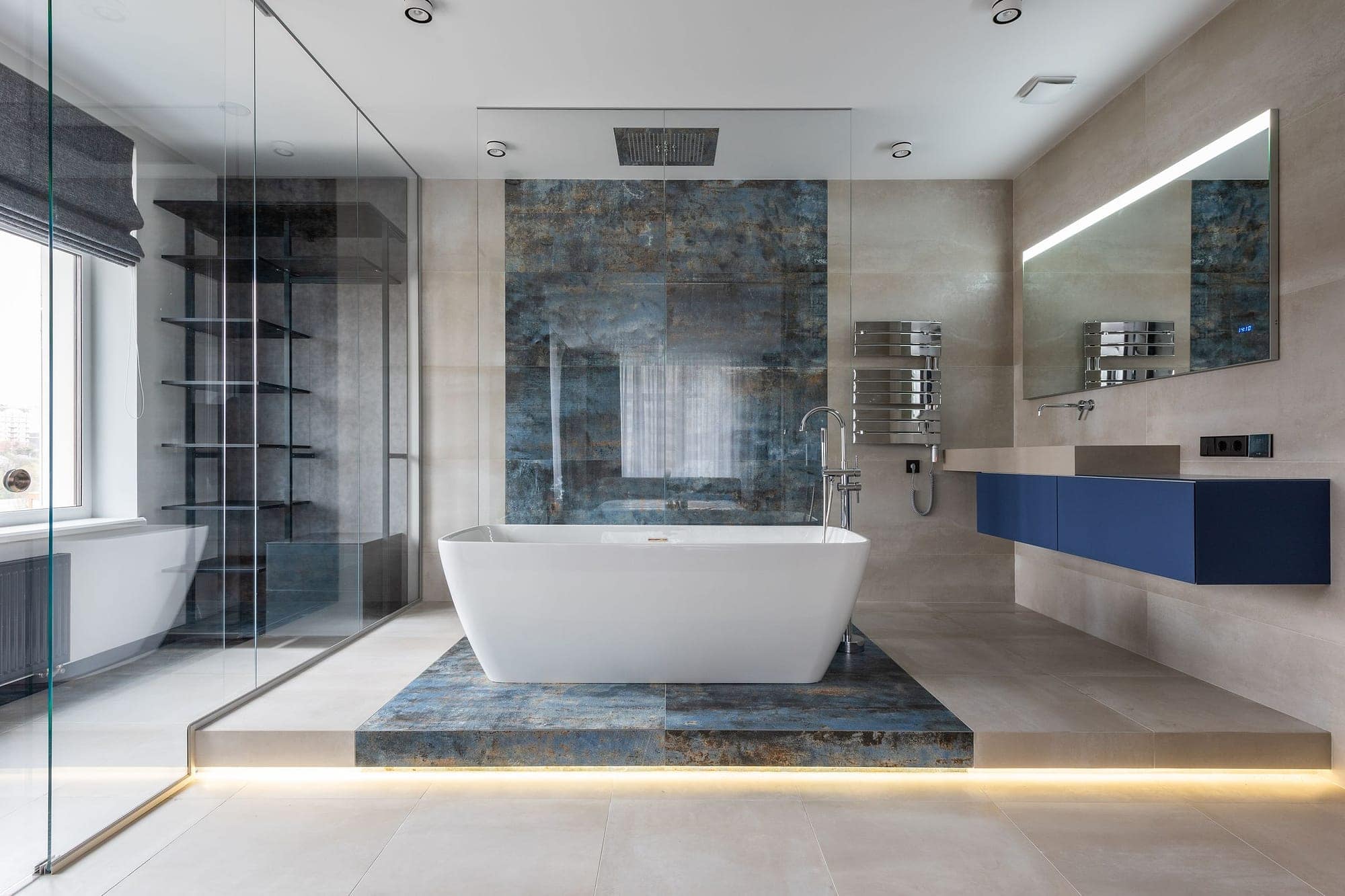
The ranges, and what sits inside them
Every bathroom cost guide online gives a different number, because every one is averaging different jobs. The table below splits the work into the jobs people actually ask for. The ranges are typical UK market figures for 2026, drawn from published trade cost guides and the quotes we see customers comparing in this area. They are a guide to what is reasonable, not a price list.
| Job | Typical UK range | What it normally covers |
|---|---|---|
| Labour only, like-for-like refit | £2,500 to £4,500 | Rip-out, new suite in the same positions, splash-area tiling, silicone, waste removal |
| Mid-range full renovation | £6,000 to £12,000 | Labour, a mid-priced suite, tiles or panels, new floor, electrics, waste removal |
| High-end renovation | £12,000 to £20,000 and up | Layout changes, large-format or stone tiles, wall-hung frames, premium brassware |
| Wet room | £8,000 to £15,000 | Former or screed to falls, full-floor tanking, linear drain, glass screen, tiling, a longer programme |
| Ensuite | £4,000 to £8,000 | Compact suite, shower enclosure, tiling, extractor fan, new feeds and wastes |
| Downstairs cloakroom | £2,000 to £4,500 | Toilet and basin, tiling or panels, often a new waste run and a fan |
| Regrout and reseal only | £150 to £400 | A day of labour and materials, no fittings changed |
Typical market ranges, not Dee Valley Bathrooms' quotes. Your own figure comes from a survey of your room.
The six things that move the price
Two bathrooms the same size can be £3,000 apart on labour alone. These are the reasons, roughly in order of how often they appear on a quote.
- Moving the toilet. A new soil run under the floor or behind a wall-hung frame adds first-fix time and often a day of floor work. Typical addition £300 to £800 in labour and materials, more if the external stack needs a new connection.
- Tiling to the ceiling rather than to splash height. Three or four extra walls of tiles is two to three extra days of fixing, grouting and cutting, plus the tiles themselves.
- Wall-hung toilet and vanity frames. The frames cost more than a close-coupled pan, and they need a stud wall or a boxed section built, boarded and tiled.
- A wet room former and full tanking. A former board, tanking kit, linear drain and the curing time between coats add materials and two or three days.
- Electrics. New lighting circuits, a fan with ducting, a shaver socket and an electric shower circuit are all work for a registered electrician, and each one is a line on the quote.
How much does B&Q charge to fit a bathroom?
This is the question Google shows under almost every bathroom cost search, so here is a fair answer. National retailers such as B&Q, Wickes and Homebase sell installation as a package: you choose the products from their range, a surveyor visits, and you get one price for the fitting. The fitting itself is subcontracted to local installers working to the retailer's schedule, and the retailer carries the guarantee. The package figure depends on your room and the survey, so no honest website can tell you what it will be before that visit.
What you should do is compare like with like. A package price is a single number, so ask what it excludes: making good the walls after the old tiles come off, moving anything, the electrics, the fan, the waste removal, decorating. A local fitter's itemised quote shows each of those as a line. When both are on the table, you can see where the money goes in each and decide whether the retailer's guarantee or the fitter's personal accountability matters more to you. Both are legitimate ways to buy a bathroom; the mistake is comparing a package to a labour-only figure and thinking one is cheap.
Why North Wales and Cheshire come in below the national averages
Most published averages are weighted by London and the south east, where a fitter's day rate can be half again what it is here. In Wrexham, Chester, Flintshire and north Shropshire a competent bathroom fitter's labour sits comfortably below those headline numbers, and the products cost the same wherever you are. So if you are reading a national guide and wincing, the local quote is likely to be kinder on the labour lines.
The flip side is that the cheapest quote in a small market is not always the bargain it looks. A figure well under the ranges above usually means something has been left out: no isolation valves, no tanking behind the bath, no fan, no boarding behind large tiles, or an electrician who is not registered. Those are the things that cost you the second time round.
Is it cheaper to buy the bathroom yourself?
Sometimes. Online bathroom retailers sell suites, taps and enclosures at prices a fitter cannot always match, and if you have found what you want, buying it yourself and paying for fit only is sensible. Two warnings. First, the hidden parts, trays, wastes, formers, boards, adhesives and fixing kits, are where quality matters most and where the cheapest option fails; let the fitter specify those even if you buy the visible items. Second, if you buy it, you own the problem when it arrives chipped or when the shower valve turns out to need more pressure than your house has. We check customers' purchase lists before quoting for exactly that reason.
What an itemised quote should list
A single figure for a whole bathroom hides what has been left out. Before you accept any quote, check it shows the following as separate lines.
- Rip-out and disposal of the old suite, tiles and packaging
- First-fix plumbing: pipework altered or renewed, isolation valves, soil and waste connections
- Electrical work, who does it, and that it will be certified
- Boarding, levelling and tanking, and where each is used
- Tiling or panelling labour, by wall or by stage, and the floor
- Fitting of each item: bath, shower, tray, screen, toilet, basin, furniture, rail, mirror, fan
- Materials by item, with the brand or a stated allowance
- Silicone, grout, trims and consumables
- Making good and any decorating
- Start date, number of working days, payment stages, and whether VAT applies
The one line to look for
If a quote has no line for isolation valves and no line for tanking, ask why. Those two items are cheap, invisible once the room is finished, and the difference between a bathroom that lasts twenty years and one that leaks in three.
Questions people ask
What is a reasonable budget for a new bathroom in 2026?
For a mid-range family bathroom, nothing moved, tiles or panels, a decent suite and the electrics done properly, £6,000 to £12,000 is the typical UK market range. Allow more for a wet room, a layout change or stone tiles, and expect labour lines in North Wales and Cheshire to sit below the national averages.
How much does it cost to move a toilet in a bathroom?
Typically £300 to £800 on top of the job, depending on how far it moves and whether the soil pipe can be rerouted under the floor or needs a new connection to the external stack. A wall-hung frame adds the cost of the frame and the boxing. The fall available decides whether it is possible at all.
Is it cheaper to buy the bathroom suite yourself?
Often for the visible items, yes: online retailers sell suites and taps at keen prices and fit only costs less than supply and fit. Let the fitter specify the hidden parts such as trays, wastes, boards and adhesives, and check your list with them before buying so the shower suits your pressure.
What costs the most in a bathroom renovation?
Labour, usually 40 to 60 percent of a mid-range job, followed by tiles and tiling where walls are tiled to the ceiling. The suite itself is often less than people expect. Layout changes, wet room tanking and electrics are the additions that take a quote from the bottom of the range to the top.
Do bathroom fitters charge VAT?
Only if they are VAT registered, which depends on their turnover. A VAT-registered firm adds 20 percent to labour and any materials they supply; a smaller trader under the threshold does not. Ask before comparing quotes, because a figure with VAT and one without are not the same number.
Next step
Tell us about your bathroom
Send a few photos of the room and a line about what you want changed. You get a free survey, an itemised quote in writing and a start date, and nobody chases you if you decide to wait.
Quotes are free, itemised and in writing. The price you agree is the price you pay unless you change the job.